.avif)
.webp)



.webp)
Meditation Insights
Breathing is the foundation of life, yet different traditions approach it in very different ways. In my years of teaching meditation and guiding retreats, I’ve seen how the way we work with the breath can deeply affect both the body and the mind.
For those exploring breathwork in Sedona or looking for a deeper meditation practice, it’s important to understand the difference between Tao Breathing and Pranayama.
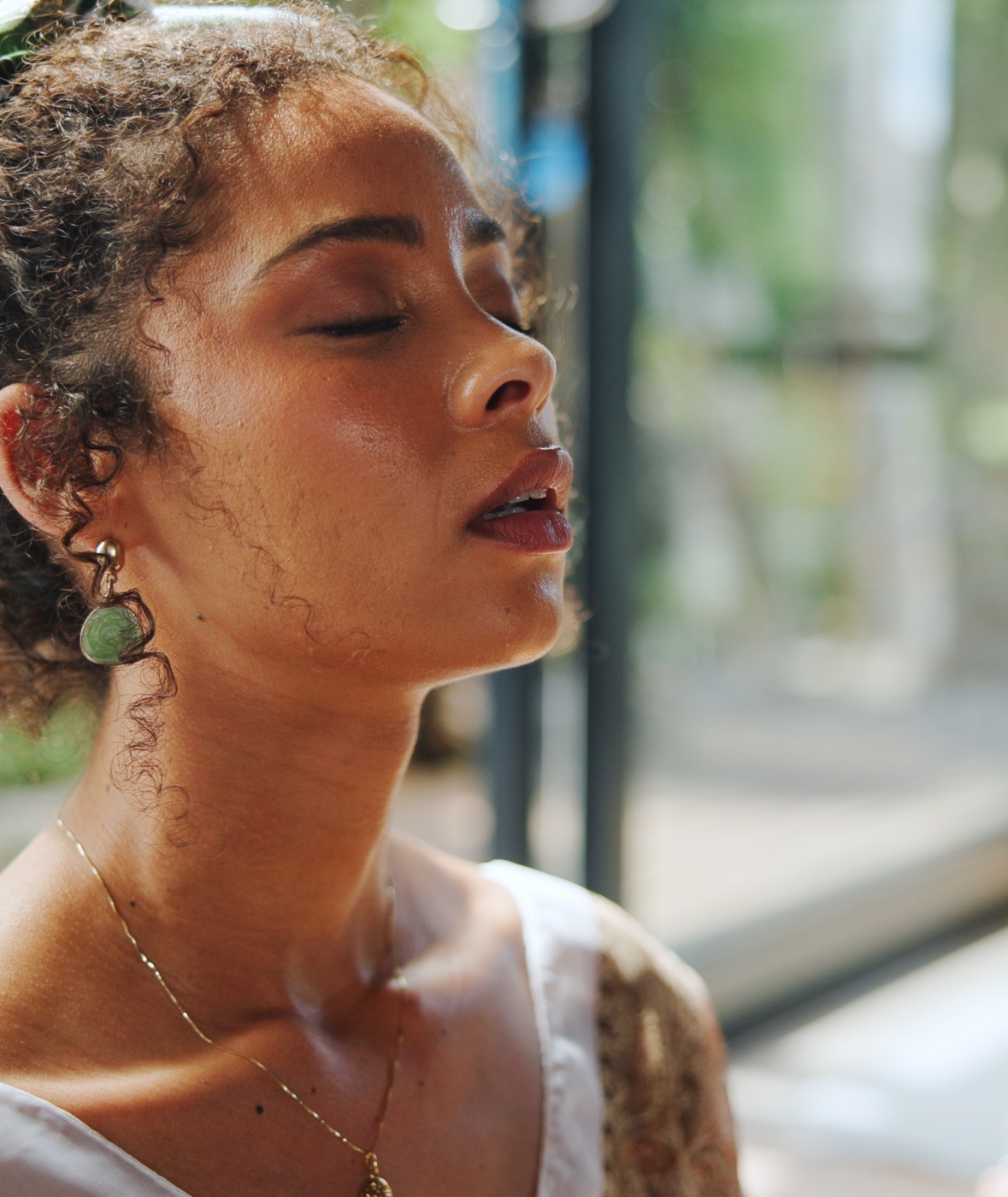
“ Tao Breathing follows the natural principle of life. All living beings breathe, but they do not force or hold their breath. ”
The Key Difference Between Tao Breathing and Pranayama
Tao Breathing, based on traditional Korean Seondo practice, and Pranayama from Indian yogic traditions share one fundamental distinction: whether the breath is intentionally held or not.
In Pranayama, the breath is often divided into four stages — inhale, hold, exhale, hold. This structured approach uses conscious control of the breath.
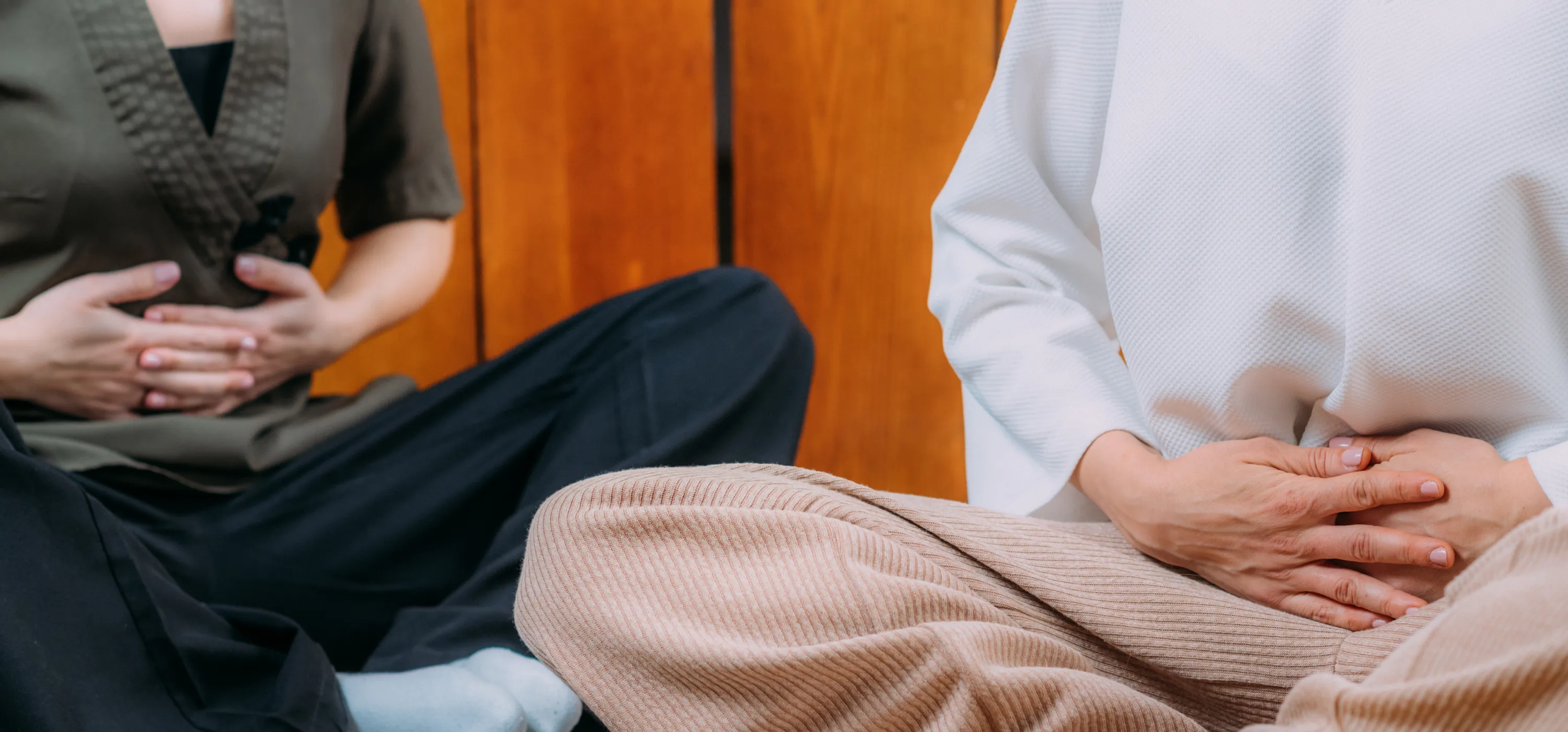
In Tao Breathing, we never intentionally hold the breath.Instead of controlling or stopping the breath, I guide students to stay aware of the inhale and exhale, allowing the breath to continue naturally without interruption.
A Natural vs Controlled Approach to Breath
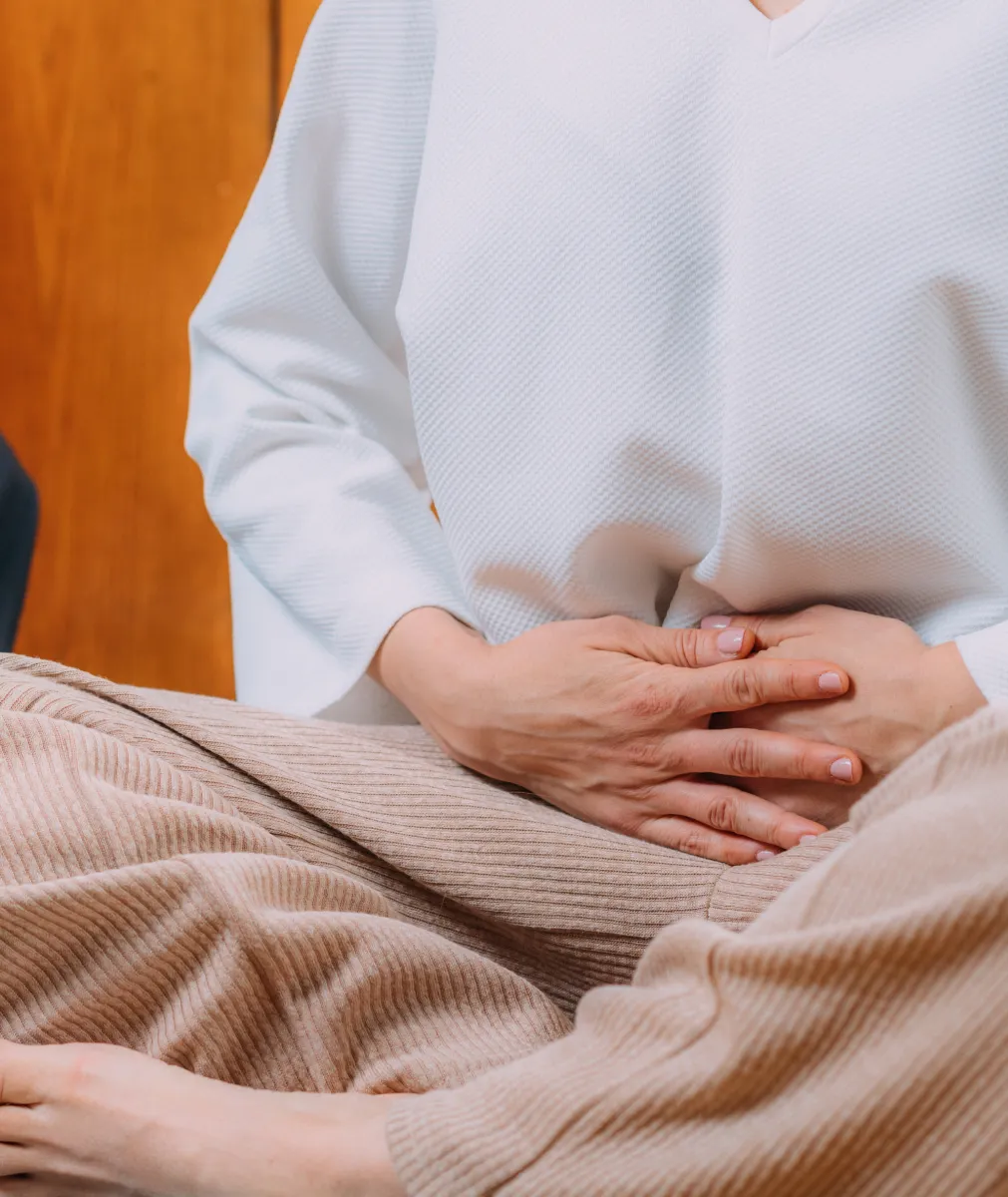
When I teach Tao Breathing, we begin very simply.
You may start with a gentle rhythm of 3 seconds inhale and 3 seconds exhale. As your body relaxes and the chest begins to open, the breath naturally becomes longer.
With practice, the breath may extend to 60 seconds inhale and 60 seconds exhale, creating a deep and steady rhythm.
At more advanced levels, the breath becomes so soft and refined that it may feel as if it disappears. But the breath never stops — it simply becomes more subtle.
This is the essence of Tao Breathing: do not force the breath — allow it to evolve naturally.
The Deeper Purpose of Tao Breathing
When Master Bongwoo was alive, he demonstrated a very deep level of practice. One full breath cycle could take up to 15 minutes — 7 minutes and 30 seconds inhaling, and the same for exhaling.
To an observer, it might appear as if breathing had stopped. But in truth, the breath continued without interruption.
I don’t share this as a goal to achieve, but as a way to show what becomes possible when the body and mind become fully aligned.
Over time, I’ve seen many students experience a sense of calm, clarity, and deeper awareness through this practice. This is why Tao Breathing is often part of energy healing in Sedona.
Which Practice Is Right for You?
Both Tao Breathing and Pranayama can be valuable.
Pranayama is structured and can be powerful for building control and discipline.
Tao Breathing is softer and more inward. I often recommend it to those who feel overwhelmed, stressed, or who are looking for a more natural approach to meditation and spiritual healing in Sedona.
Rather than pushing the body, we allow it to open at its own pace.
Begin Your Practice
If you feel called to explore this practice, you can begin with just a few minutes each day.
If you’d like guidance, you can practice with me through Tao Meditation free course in the Rise Meditation app. Or experience it in person in the 5-Day Spiritual Healing Retreat in Sedona.